
The First Seedance 2.0 Test for AIDreamsRadio
When Seedance 2.0 became publicly available, I decided not to start with abstract cinematic scenes or random “beautiful shots.”
I wanted to test it on a real production task instead.
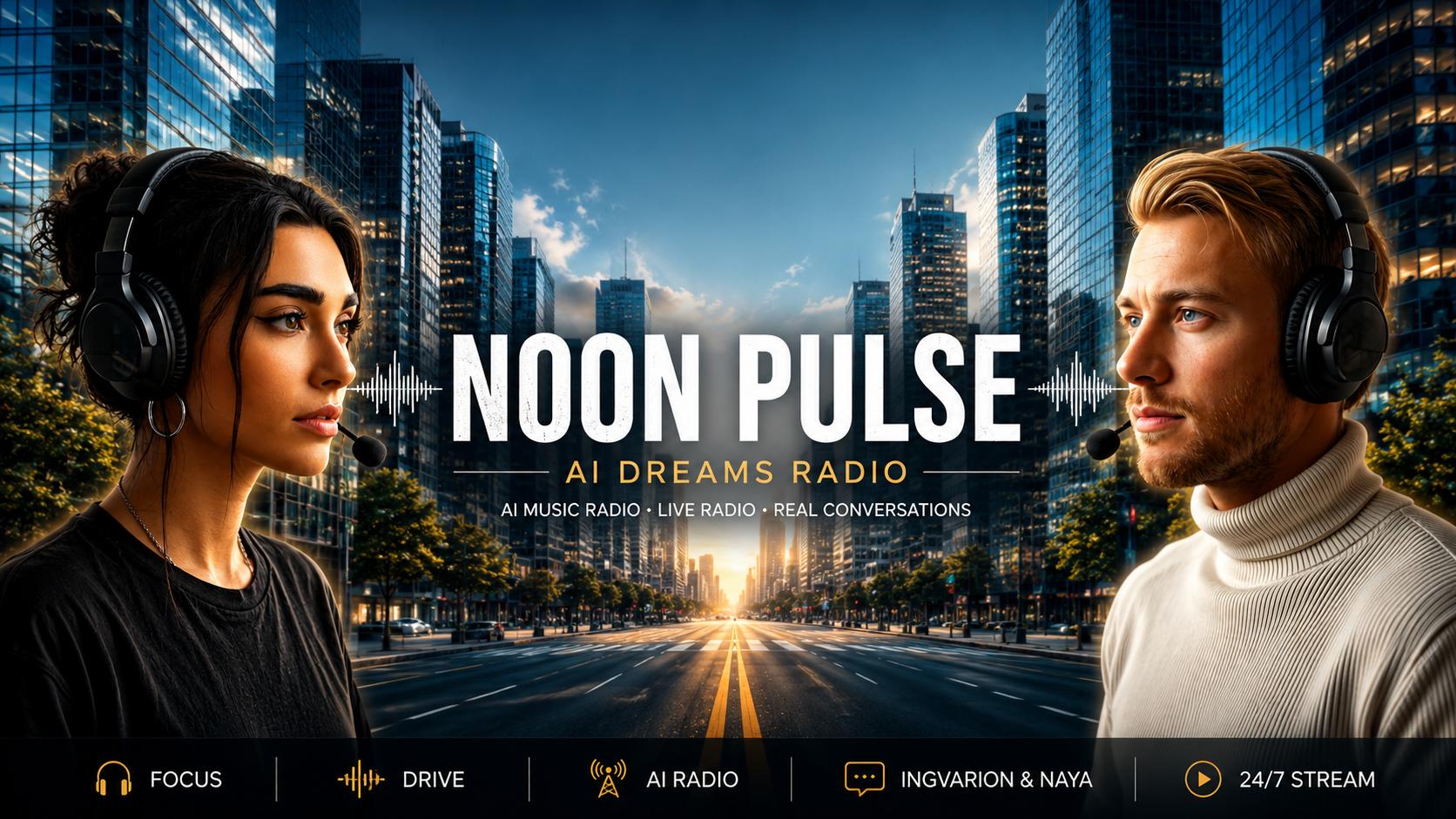
So the very first experiment was an attempt to create an advertisement for our AI radio station — AIDreamsRadio.
And after just the first few generations, it already felt like Seedance was noticeably different from the AI video tools I had been using before.
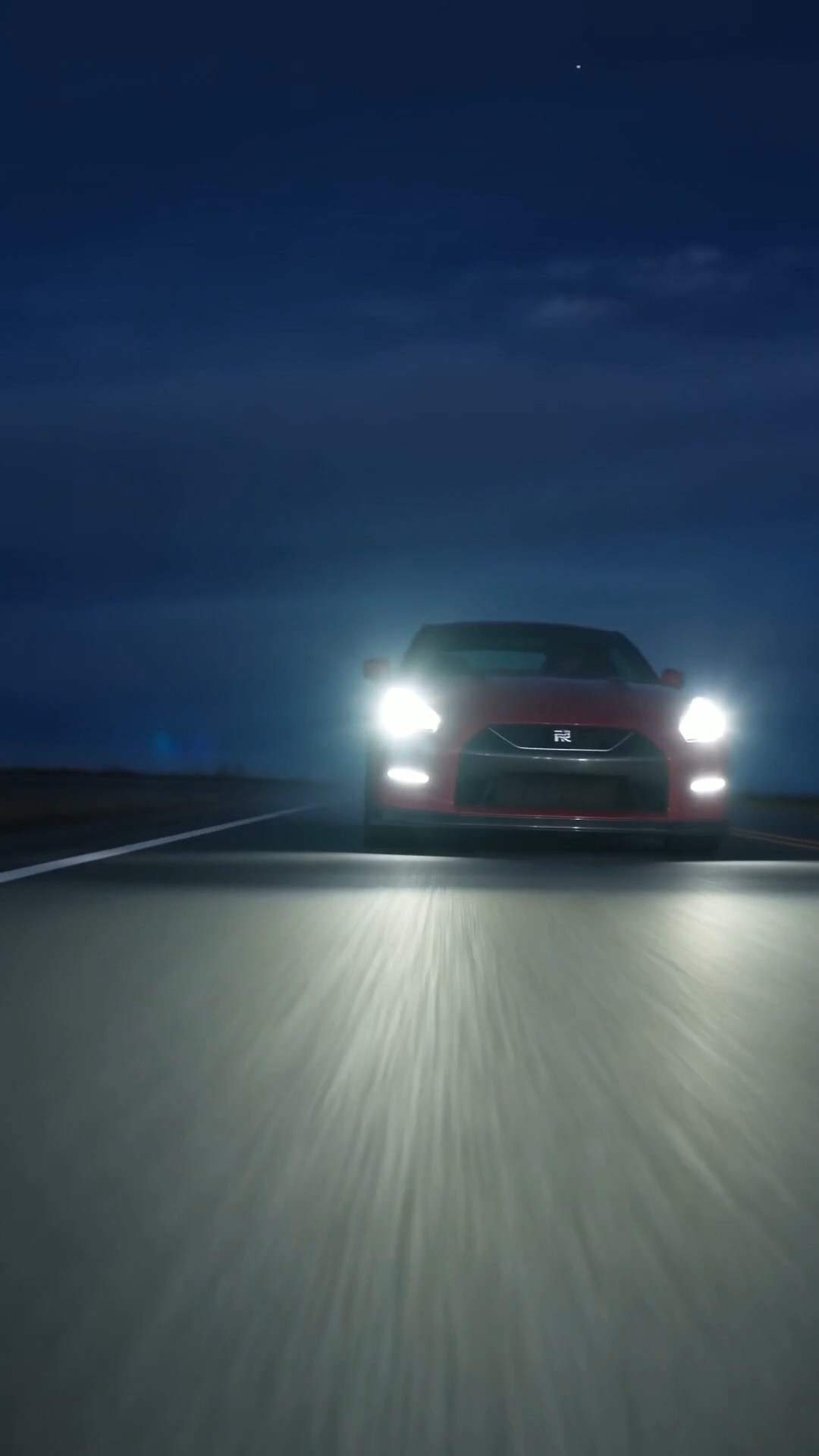
The first thing that immediately stood out was motion physics.
Especially in scenes involving cars.
Many generative video models still struggle with vehicle movement: there’s often no real sense of weight, inertia, or traction. Sometimes it feels less like a car driving and more like an object simply sliding across the frame.
In Seedance, movement feels far more stable and natural.
This becomes especially noticeable in dynamic scenes.
But along with the strengths, familiar problems appeared almost immediately.
Sometimes the model drifts away from the prompt.
Sometimes the censorship system reacts too aggressively — during one test, Seedance rejected a reference image that had actually been generated by another AI tool.
It also quickly became clear that the model is sensitive to overloaded scenes.
If you try to fit too much action into a very short sequence, the timing starts to break down: movements speed up unnaturally, scenes become less stable, and some actions get simplified.
Even with those limitations, the first impression was surprisingly positive.
Two things stood out the most.
The first was reference consistency.
When it’s important to preserve a character’s appearance, scene details, or the overall visual identity of a project, Seedance handled it far better than I expected.
The second was the prompting workflow itself.
With Kling, it often feels necessary to describe almost every shot individually.
Seedance, on the other hand, can often understand an entire scene from one large, unified prompt.
That alone makes the workflow noticeably faster.
After these first tests, I can already say one thing for certain:
Seedance 2.0 will definitely earn a place in my production toolkit alongside Kling.
For now, this is only a first encounter.
But even at this stage, it’s clear that this tool has serious potential.
You can watch more AI video experiments on our YouTube channel.


0 Comments